 SimpleTen
Service booking automation for Sacramento service businesses
A qualified lead is not a win until the right next step is on the calendar. Service booking automation helps Sacramento businesses move from interest to appointment faster, with fewer dropped handoffs and less front-office chasing.
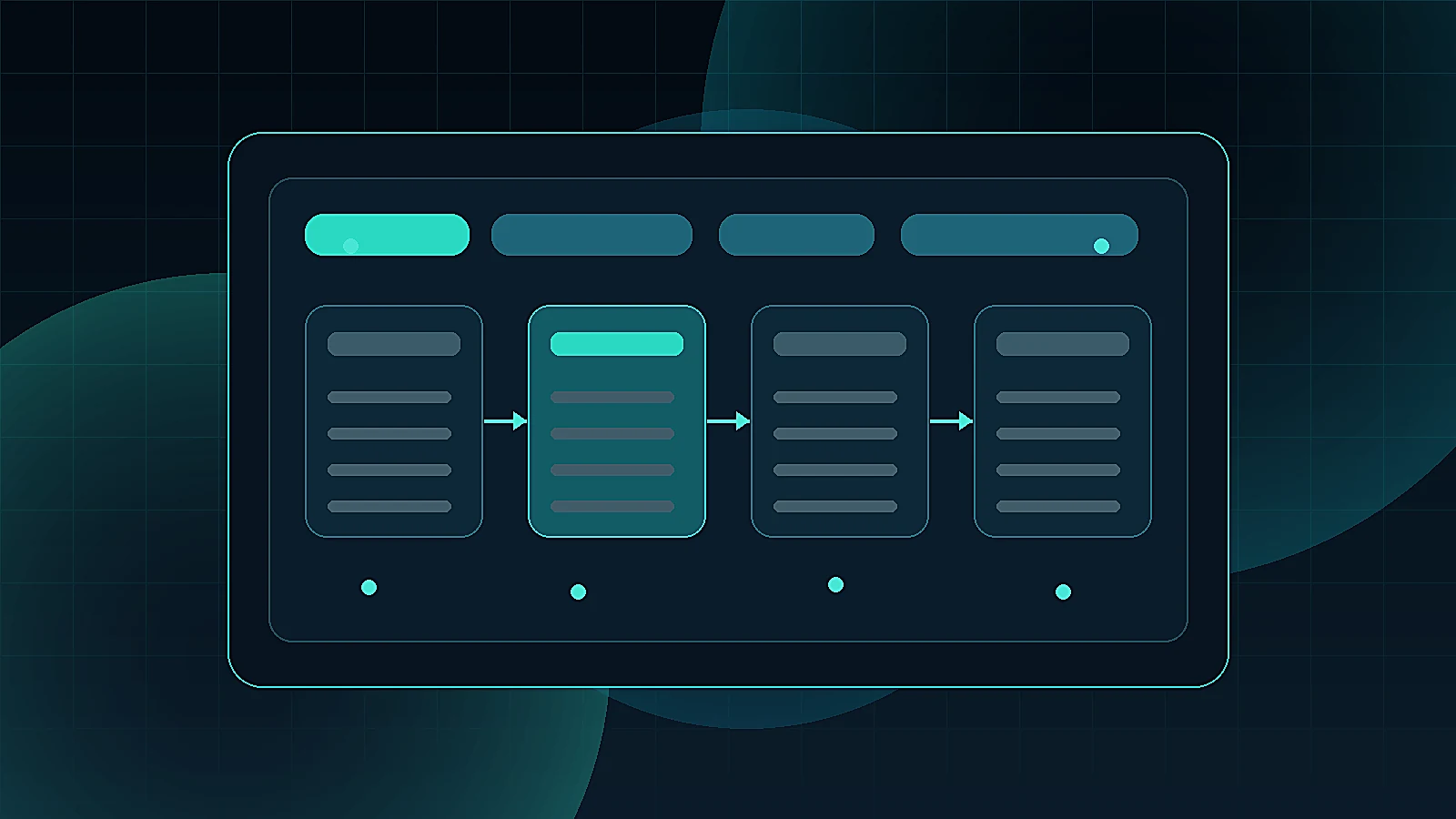
Service booking automation in Sacramento is not about replacing real customer service. It is about making sure the simple but important steps happen every time: confirm the request, collect the details, offer the right time, send reminders, update the CRM, and keep the customer informed.
For home services, trades, clinics, mobile services, professional services, and other appointment-driven local companies, the booking process is often where good demand gets stuck. Someone calls while the team is in the field. A form comes in after hours. A customer asks for availability by text. The business has capacity, but the next step depends on a person remembering to follow up. That is a process problem a practical AI workflow automation system can fix.
Why booking breaks down for local operators
Most Sacramento service businesses do not lose appointments because they do not care. They lose them because the booking path is spread across phones, website forms, email, SMS, calendars, dispatch boards, spreadsheets, and CRM notes. Each channel creates another place where the handoff can slow down.
The customer does not see that complexity. They only know whether the business answered quickly, understood the request, and made scheduling easy. If another company offers a clear time first, the customer may book there even if your team would have been the better fit.
Start with the moments before the appointment is booked
The first automation opportunity is usually not advanced AI. It is a clean response flow. When a lead arrives, the system should acknowledge it, identify the service needed, confirm the service area, ask the right intake questions, and move the customer toward a specific next step.
That might mean offering a booking link, routing a high-value job to a coordinator, sending a same-day callback task, or letting an AI receptionist collect details when nobody can answer. The key is that every qualified lead gets motion within minutes instead of waiting for a manual follow-up window.
Match the booking path to the type of job
Not every request should use the same flow. A plumbing emergency, a commercial cleaning walkthrough, a dental consult, a remodel estimate, and a recurring maintenance request all need different questions, time blocks, and escalation rules. Good service business automation respects those differences.
Simple booking automation can route jobs by service type, location, urgency, customer status, project size, technician skill, or calendar availability. AI can help classify messy customer messages, summarize what was requested, and suggest the right path, but the business should still define the rules that determine what happens next.
Use reminders to protect the appointment
Booking the appointment is only half the job. The system should also reduce no-shows, missing information, and last-minute confusion. That can include confirmation messages, reminder texts, prep instructions, parking or access notes, photo requests, reschedule links, and internal alerts when something is incomplete.
For field service teams around Sacramento, this matters because travel time and crew capacity are expensive. A missed appointment is not just an empty calendar slot. It can throw off the day, reduce route efficiency, and create more admin work for the office.
Connect booking to the CRM, not just the calendar
A common mistake is treating booking as a calendar-only problem. The appointment needs to connect back to the customer record, lead source, service type, estimate status, assigned owner, and follow-up workflow. Otherwise the team gets a calendar event but loses the context needed to serve the customer well.
This is where operating systems thinking matters. Booking automation should update the CRM, trigger reminders, notify the right person, capture attribution, and prepare the next workflow after the appointment. If the job is completed, the system can trigger review requests, invoice follow-up, reactivation, or referral prompts. If the estimate is not accepted, it can trigger a useful follow-up sequence instead of silence.
Keep humans in the loop where judgment matters
Automation should remove repetitive work, not remove judgment. Complex jobs, edge cases, upset customers, unusual pricing questions, and high-value opportunities should still route to a person. The system should make escalation easy and visible.
A thoughtful Sacramento AI consulting process defines those boundaries before anything goes live. Which appointments can be booked automatically? Which requests need manual review? Who gets notified? What should the customer hear when the system is not confident? These decisions make the automation safer and more useful.
What to measure after launch
Track lead-to-booking rate, speed to first response, booked appointments by source, no-show rate, reschedule rate, missing-information rate, and the number of manual touches required before an appointment is confirmed. Also review where customers abandon the process.
If many leads start but do not finish booking, the intake may be too long. If jobs are booked with missing details, the qualification questions need work. If the team still spends hours confirming appointments, reminder logic and CRM updates may be incomplete. The numbers show where the next improvement should happen.
Final takeaway
Service booking automation helps Sacramento businesses turn interest into scheduled work without depending on memory, sticky notes, or constant manual follow-up. It gives customers a faster path, gives teams cleaner information, and gives owners a clearer view of how demand becomes revenue.
The best first step is practical: map the path from lead to booked appointment, find the handoffs that slow down, and automate the pieces that should happen the same way every time.
Want a cleaner booking workflow?
SimpleTen can review your intake, calendar, CRM, reminders, and follow-up process, then build a practical blueprint for turning more qualified leads into booked jobs.
Book Assessment ↗