 SimpleTen
Internal knowledge base automation for Sacramento service businesses
If the owner, manager, or senior technician has to answer the same internal questions every week, the business does not only have a training problem. It has a knowledge system problem.
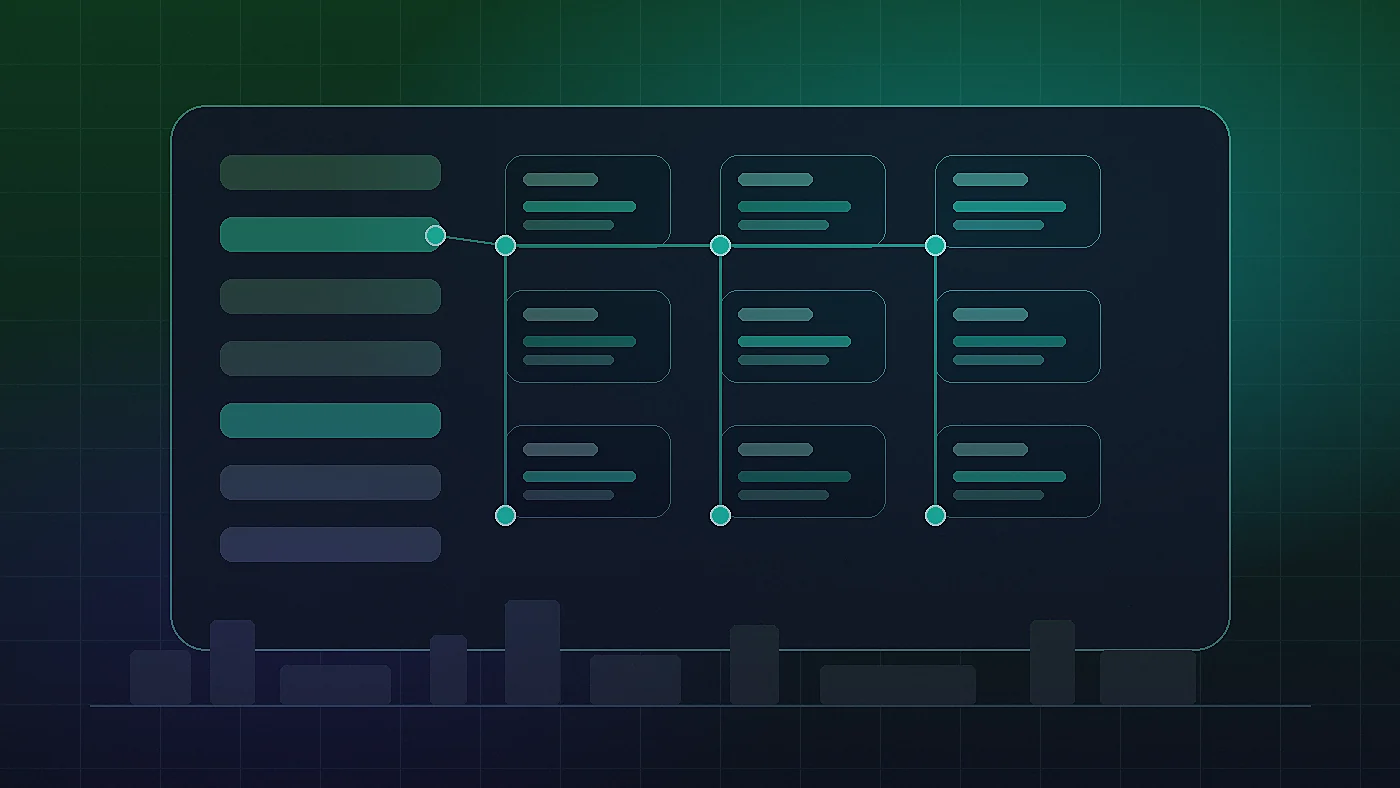
Internal knowledge base automation in Sacramento helps service businesses turn scattered know-how into a practical system the team can use. Instead of digging through old texts, asking the same person, or guessing the right process, employees can get approved answers from SOPs, policies, checklists, templates, and job notes.
For local service businesses, this matters because growth creates repeat questions. How do we qualify this lead? What do we say when a customer asks about pricing? Which photos are required before an estimate? What happens after a job is completed? Who approves a refund, exception, or schedule change?
Most internal knowledge is trapped in people and messages
Small teams often run on memory. The office lead knows the real intake rules. The senior technician knows the field checklist. The owner knows the exceptions. The problem is that the information is usually spread across chat threads, inboxes, PDFs, vendor portals, job notes, and habits that were never written down.
That slows down onboarding, creates inconsistent customer answers, and keeps experienced people stuck in interruption mode. A practical AI workflow automation project can reduce those interruptions by making approved internal knowledge easier to find and easier to keep current.
Start with the questions that interrupt the business every day
Do not begin by trying to document every corner of the company. Start with the recurring questions that slow down sales, scheduling, service delivery, billing, and customer communication. Those are usually the places where a knowledge base creates value fastest.
Examples include lead qualification rules, service-area boundaries, pricing ranges that require approval, estimate preparation steps, cancellation policies, warranty language, review request timing, CRM stage definitions, job closeout checklists, and escalation rules for sensitive customer situations.
Use AI to retrieve answers, not invent policy
AI can be useful for searching across internal documents, summarizing SOPs, answering team questions in plain language, and pointing employees to the right checklist. But it should not invent policy, make commitments to customers, or replace management judgment.
The safe version is retrieval-based: the system answers from approved source material, cites the source when possible, and says when it does not know. A strong Sacramento AI consulting process defines which documents are trusted, who can update them, and which questions should route to a human.
Connect knowledge to the tools employees already use
A knowledge base fails when it becomes another place the team forgets to check. It works better when it appears inside the workflow: CRM notes, intake forms, job management software, scheduling tools, Slack, email, or a simple internal portal.
For example, a dispatcher reviewing a new inquiry could see the approved qualification checklist. A technician closing a job could get the required photo list. A front-desk employee could ask the internal assistant what to say when a customer wants to reschedule. Those answers should support the team in the moment, not live in a forgotten binder.
Keep the system fresh with ownership and review
Knowledge automation is not a one-time upload. Someone needs to own the source documents, review bad answers, update policies, remove outdated instructions, and decide when new questions deserve a new SOP. Without that ownership, the system gets stale and employees stop trusting it.
This connects directly to SimpleTen Operating Systems. Internal knowledge is part of how a business scales: fewer interruptions, faster training, cleaner handoffs, and less dependence on one person remembering everything.
What to measure after launch
Track repeat questions reduced, onboarding time, SOP usage, unanswered questions, escalations to managers, customer-response consistency, task completion errors, and time spent searching for information. Also review the questions employees ask most often because they reveal where the business needs clearer process.
If the team keeps asking the same question, the answer may be hard to find, unclear, outdated, or disconnected from the workflow. That feedback is useful. It tells the business exactly where to improve the system next.
Final takeaway
Internal knowledge base automation helps Sacramento service businesses scale judgment, consistency, and training without turning every experienced employee into a full-time help desk. It gives the team faster access to approved answers while keeping important decisions under human control.
The best first step is simple: list the questions that interrupt your best people every week. Then turn those answers into approved source material, connect them to the workflow, and add AI only where it helps the team find and use what the business already knows.
Want your team to stop hunting for answers?
SimpleTen can review your SOPs, intake process, CRM, team handoffs, and internal knowledge gaps, then build a practical blueprint for a knowledge system your team can actually use.
Book Assessment ↗