 SimpleTen
Customer onboarding automation for Sacramento service businesses
The first few minutes after a customer says yes often decide whether the job starts clean or becomes a pile of callbacks, missing details, and preventable delays. Customer onboarding automation gives Sacramento service businesses a reliable way to collect the right information, set expectations, and trigger the next step without depending on memory.
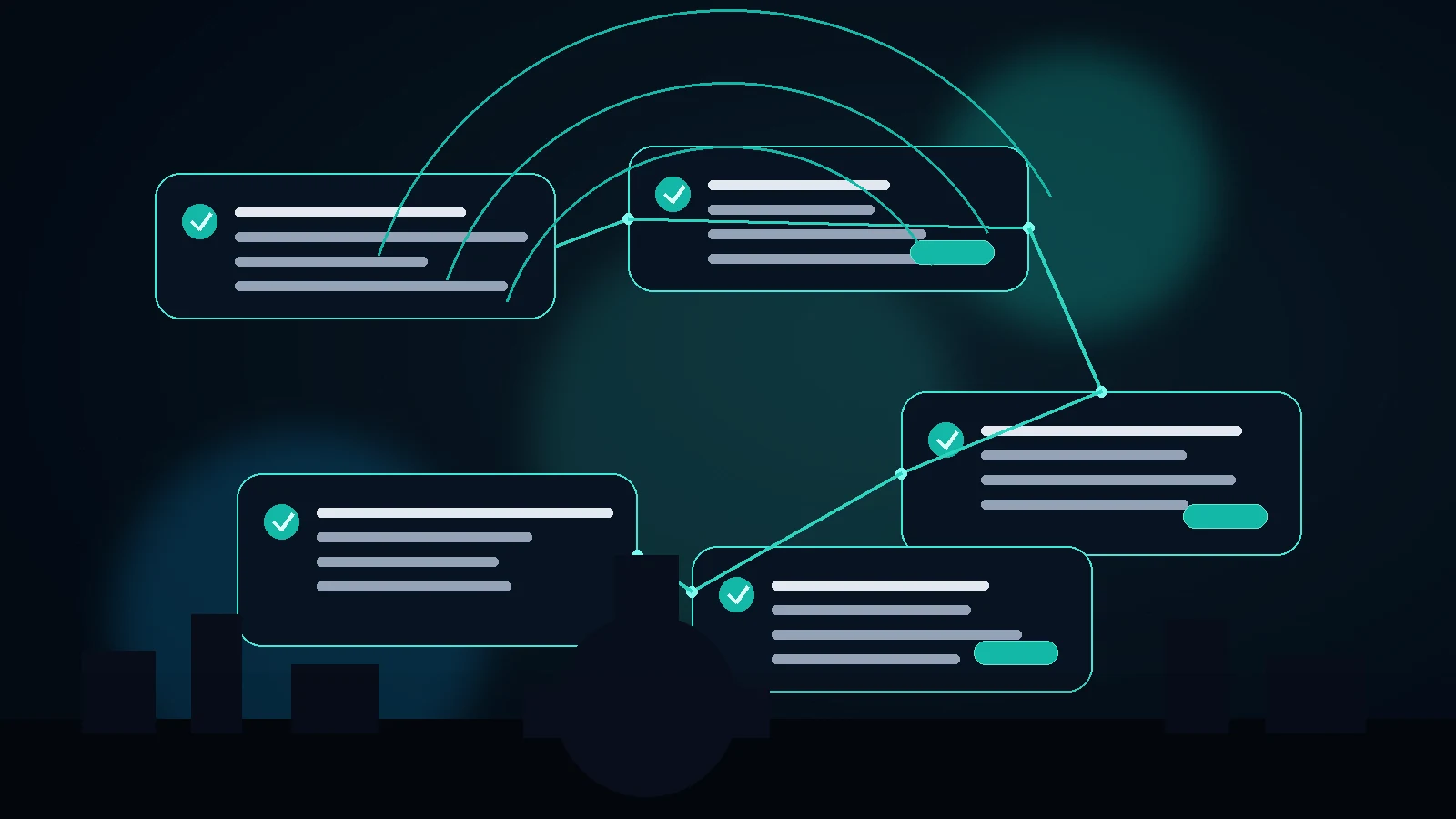
Most local service businesses do not lose trust because the team does not care. They lose trust because the handoff is messy. A new customer fills out a form, approves an estimate, or books an appointment, but the details stay scattered across email, text messages, notes, calendars, and someone’s inbox.
Customer onboarding automation helps turn that moment into a repeatable system. It is especially valuable for Sacramento contractors, home service companies, clinics, studios, professional services, and field teams where every job needs clean details before work begins.
Onboarding is where the sale becomes an operation
Sales follow-up gets the customer to say yes. Onboarding makes sure the business can actually deliver. That handoff may include contact details, property access, service preferences, photos, billing information, scheduling constraints, signed documents, deposit status, internal assignments, and customer expectations.
If those details are incomplete, the team pays for it later. Dispatch asks the same question twice. The technician arrives without context. The office has to chase paperwork. The customer wonders if the business is organized. A practical AI workflow automation system should protect the handoff between sale and service.
Start with a simple onboarding checklist
Do not start by buying another platform. Start by listing what must be true before a job is ready to move forward. For many Sacramento service businesses, the checklist includes verified customer information, service address, scope, photos or documents, preferred appointment window, payment or deposit status, internal owner, and next scheduled action.
Once the checklist is clear, automation can enforce it. A form can request missing details. A CRM field can be required before a stage changes. A reminder can go out if a customer has not uploaded photos. A task can be created for the office when a deposit is missing. The system should make the right next step obvious.
Use AI to clean up messy customer information
Customers rarely send information in perfect database format. They leave voicemail messages, reply to texts, upload photos, write long emails, or describe a problem in their own words. AI can help summarize those details into a cleaner internal brief.
That might look like a short job summary, urgency level, service category, location notes, access instructions, known risks, missing information, and recommended next action. This is where Sacramento AI consulting should stay grounded: AI supports the team by organizing information, while humans still approve decisions that affect price, schedule, safety, or customer promises.
Connect onboarding to scheduling and CRM updates
Customer onboarding should not live in a disconnected form. The information should update the CRM, trigger scheduling steps, notify the right person, and create a clean customer record. If the business uses separate tools for forms, calendars, texting, estimates, and invoicing, automation can move the important details between them.
For example, an approved estimate can trigger a welcome message, intake form, deposit reminder, internal handoff task, calendar hold, and customer status update. When the customer completes the form, the CRM can move the job to the next stage and alert operations that the job is ready to schedule.
Set expectations before customers have to ask
Good onboarding is not just internal admin. It also reduces customer anxiety. A simple automated welcome sequence can explain what happens next, what information is needed, when the team will follow up, how scheduling works, and who to contact with questions.
That kind of communication is useful across Sacramento service businesses because customers are busy too. They want to know the job did not disappear after they said yes. Clear onboarding messages reduce inbound “just checking in” calls and make the business feel more organized.
Build guardrails for exceptions
Not every customer should move through the same path. Some jobs need manager review. Some require permits, special equipment, insurance documents, safety notes, or unusual scheduling. Some customers ask questions that should not be answered automatically.
Build exception rules into the workflow. Escalate high-value jobs, unclear scope, refund concerns, angry messages, safety issues, legal language, and anything that changes the promise made to the customer. Strong automation does not remove judgment. It makes sure judgment is used at the right moment.
Measure whether onboarding is working
The point is not to create a fancy workflow diagram. The point is fewer dropped details and faster job starts. Track practical signals: time from approval to scheduled appointment, number of incomplete intake forms, internal follow-up tasks, customer questions before service, jobs delayed because details were missing, and repeat handoff issues.
Those metrics fit naturally inside the SimpleTen Operating Systems approach: connect sales, operations, knowledge, and reporting so the business can see where the process is leaking.
What to automate first
Start with the first handoff after the customer says yes. Automate the welcome message, intake checklist, missing-information reminder, CRM stage update, internal assignment, and next-step notification. Once that works, add AI summaries, document collection, scheduling rules, customer status updates, and dashboard reporting.
If the business is still losing opportunities before customers say yes, combine onboarding with lead generation and follow-up automation so the customer experience is consistent from first inquiry through completed job.
Final takeaway
Customer onboarding automation is one of the most practical ways to make a service business feel more professional without adding more office work. It helps the customer know what happens next, gives the team cleaner information, and reduces the chance that a good job starts with preventable confusion.
For Sacramento service businesses, that kind of operational clarity can create a better customer experience before the work even begins.
Want a cleaner customer onboarding workflow?
SimpleTen can review your sales, intake, CRM, scheduling, and customer communication process, then build a practical blueprint for the highest-impact automations.
Book Assessment ↗