 SimpleTen
AI receptionist handoff rules for Sacramento service businesses
An AI receptionist is only useful if it knows when to keep helping and when to hand the conversation to a real person. For Sacramento service businesses, that handoff design is where trust is protected.
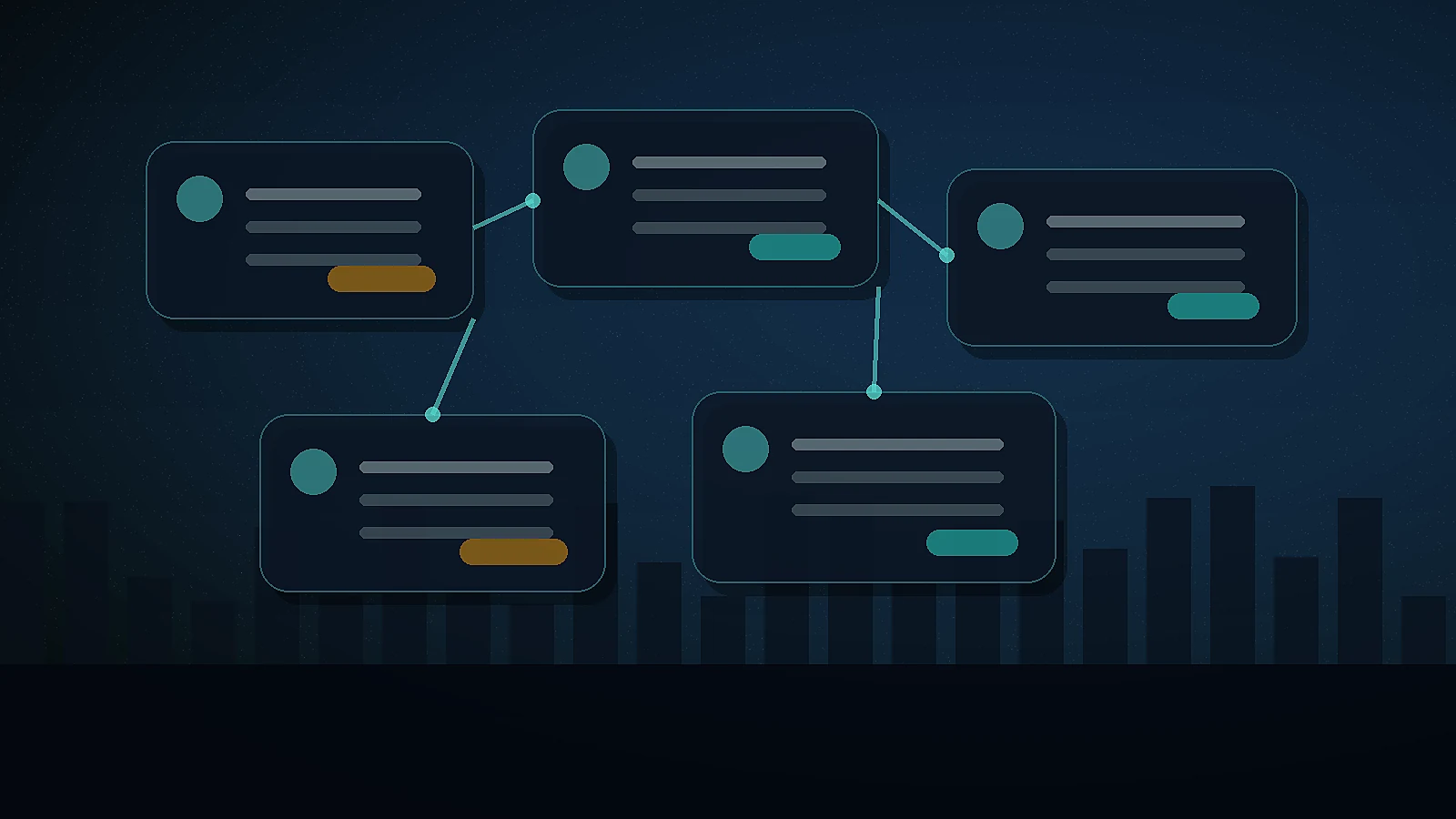
AI receptionist Sacramento searches usually focus on answering missed calls, booking more appointments, and responding after hours. Those are real benefits. But the difference between a useful system and an awkward one is simple: clear handoff rules.
A local plumbing company, med spa, roofing contractor, clinic, cleaning business, or professional office should not let an AI receptionist guess its way through every conversation. The system should capture routine information, answer approved questions, and move the lead forward. It should also know when to stop and bring a person in.
Start by defining what the AI receptionist is allowed to do
Before connecting phone, SMS, web chat, CRM, or calendar tools, write down the job description for the AI receptionist. Is it answering missed calls? Capturing service requests? Qualifying new leads? Sending booking links? Confirming appointments? Updating a CRM record? Routing urgent issues to a manager?
This matters because a strong AI receptionist is not a replacement for the whole front office. It is a narrow intake and response layer that handles repeatable work quickly so your team can focus on judgment, relationship, and exceptions.
Create clear escalation triggers
Every Sacramento service business should have a short list of situations that immediately trigger human review. Common triggers include emergencies, safety concerns, angry customers, cancellation requests, refund issues, legal or medical language, warranty disputes, unusually large projects, VIP accounts, pricing pushback, and anything the AI cannot answer from approved information.
The rule should be direct: if the conversation affects risk, trust, money, safety, or relationship quality, alert a person. The AI can still acknowledge the customer, collect details, and set expectations. It just should not make the final call alone.
Use AI for messy intake, automation for reliable routing
Most missed-call problems are not just phone problems. They are workflow problems. A customer leaves a voicemail, fills out a form, texts a number, or sends a social message. Someone has to identify the need, create or update the contact, route the request, assign ownership, and start follow-up.
This is where AI workflow automation creates leverage. AI can summarize the message, detect service type, urgency, location, and intent. Automation can then update the CRM, create a task, notify the right person, send a confirmation, or move the lead into a follow-up sequence.
Keep the customer experience simple
The customer should not feel like they are trapped in a bot maze. A good AI receptionist uses plain language, asks only the questions needed for the next step, and makes it easy to reach a human when the situation calls for it.
For example, a practical message might say: “I can help collect the details and get this routed. If this is urgent or you need a person, say ‘manager’ and I’ll flag the team.” That kind of guardrail keeps the automation useful without pretending it can handle every situation.
Connect handoff rules to the CRM
Handoff rules should not live only in a prompt. They should show up in your CRM stages, tags, tasks, alerts, and dashboards. A high-priority lead should be visibly different from a routine question. A customer complaint should not sit in the same queue as a basic FAQ. A booking request should not disappear because the AI captured it but never assigned the next action.
If SimpleTen is helping with Sacramento AI consulting, this is one of the first areas to map: what information must be captured, who owns each type of request, what gets automated, and what needs human review before the customer receives the next message.
Review conversations during the first few weeks
Do not set an AI receptionist live and walk away. Review real conversations weekly at the beginning. Look for awkward wording, unclear routing, missed escalation moments, repeated customer confusion, and places where the team still has to clean up the record manually.
The goal is not perfection on day one. The goal is a feedback loop. Each review should improve the approved answers, escalation rules, CRM fields, notifications, and follow-up timing.
What to measure
Measure missed calls recovered, first-response time, leads captured after hours, booked appointments, human escalations completed, CRM records created, tasks assigned, and customers who received a clear next step. Also measure the negative signals: confused replies, ignored messages, wrong routing, and conversations where a person should have taken over sooner.
For service businesses, the win is practical. More leads get answered. More customers know what happens next. The team spends less time copying details between systems. Owners get visibility into what came in and what still needs attention.
Final takeaway
An AI receptionist should make a Sacramento service business easier to reach, not harder to trust. Start with the handoff rules. Define what the system can do, what it must escalate, how it updates the CRM, and how the team reviews performance.
When those rules are clear, AI becomes a dependable front door for the business instead of a risky experiment.
Want better missed-call and handoff rules?
SimpleTen can review your intake, phone, CRM, calendar, and follow-up workflow, then build a practical blueprint for an AI receptionist system that captures leads without losing human judgment.
Book Assessment ↗